

Introduction
Esports has grown from small local tournaments into a global entertainment phenomenon.
With professional players, massive prize pools, and millions of viewers worldwide, competitive gaming is now a mainstream sport.
This blog explores the evolution of esports and how gaming competitions have transformed over the years.
1. Early Days of Competitive Gaming
- 1970s–1980s: Arcade competitions and high-score contests
- 1990s: LAN parties and local multiplayer tournaments
- Games like Street Fighter, Quake, and Counter-Strike laid the foundation
Impact: Early competitions built a community and culture around gaming.
2. Rise of Online Gaming
- Broadband internet allowed online multiplayer matches
- MMOs like World of Warcraft and shooters like Halo fostered competitive play
- Online leaderboards encouraged global competition
Impact: Esports expanded beyond local arenas to worldwide audiences.
3. Professionalization of Esports
- Formation of professional teams and leagues
- Sponsorship deals and streaming platforms increased visibility
- Major tournaments like League of Legends World Championship and Dota 2’s The International
Impact: Gaming became a career path and professional sport.
4. Streaming & Global Reach
- Platforms like Twitch, YouTube Gaming, and Facebook Gaming
- Live streaming tournaments reached millions globally
- Fans engage through chat, donations, and social media interaction
Impact: Esports became a spectator sport, rivaling traditional sports in viewership.
5. Massive Prize Pools & Sponsorships
- Esports prize pools now reach millions of dollars
- Corporate sponsorships and brand partnerships drive revenue
- Merchandising and media rights add additional income streams
Impact: Esports is financially sustainable and attractive for aspiring players.
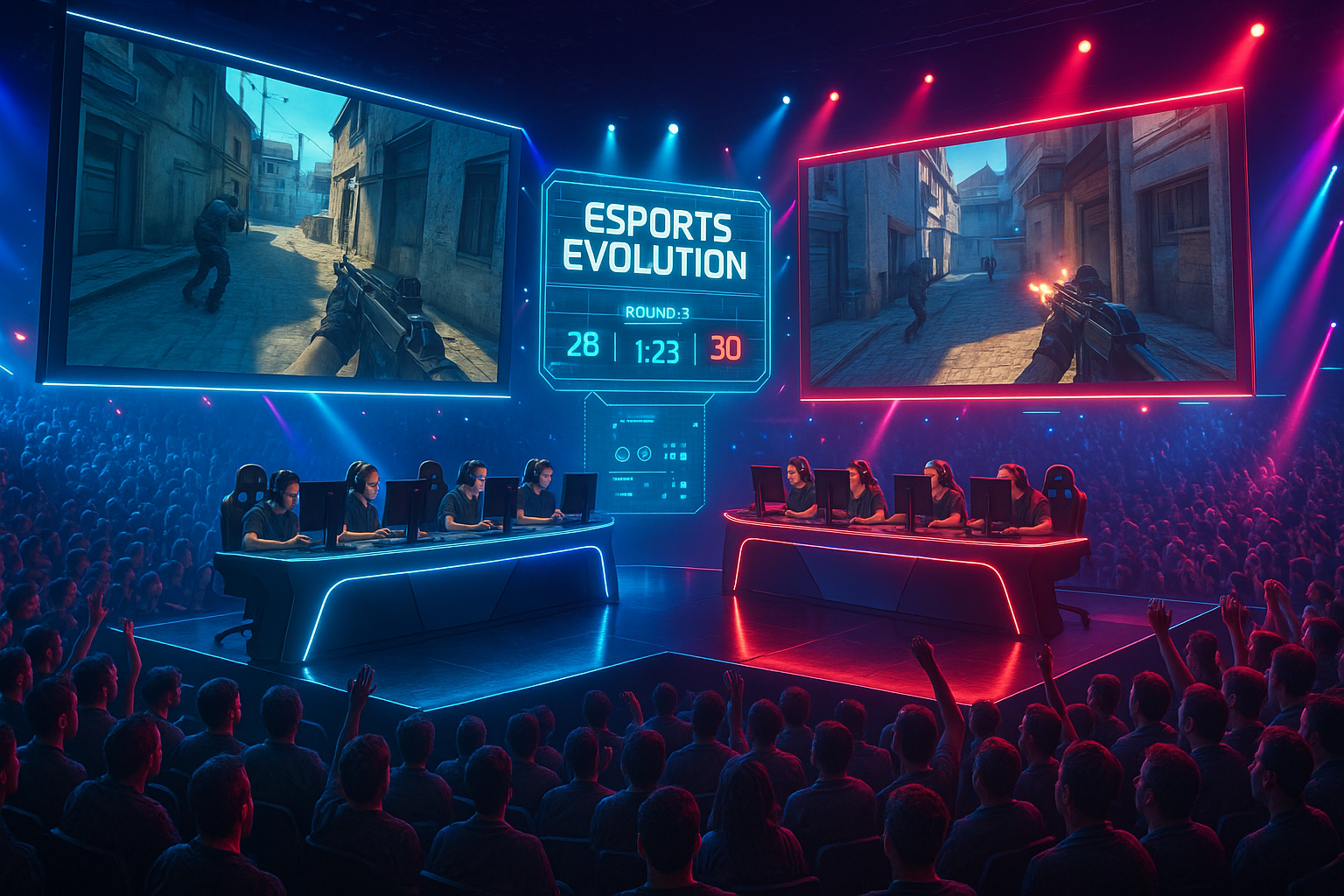
6. Esports Arenas & Live Events
- Dedicated arenas in cities like Los Angeles, Seoul, and Shanghai
- International competitions with live audiences
- Integration of light shows, commentary, and fan experiences
Impact: Esports events rival traditional sports in production quality and fan engagement.
7. Game Diversity in Competitions
- Multiplayer Online Battle Arenas (MOBAs) like LoL, Dota 2
- First-Person Shooters (FPS) like CS:GO, Call of Duty
- Sports simulations like FIFA and NBA 2K
- Fighting games, battle royales, and mobile esports
Impact: Esports caters to diverse gaming communities and skill sets.
8. Training & Coaching
- Professional esports teams hire coaches, analysts, and psychologists
- Players follow strict training routines and diets
- Data analytics optimize performance and strategies
Impact: Competitive gaming mirrors traditional sports in discipline and professionalism.
9. Integration of Technology
- AI for strategy analysis and training
- VR and AR competitions emerging
- Cloud-based tournaments and cross-platform play
Impact: Technology enhances gameplay, spectator experience, and accessibility.
10. The Future of Esports
- Expansion into global mainstream media coverage
- University-level esports scholarships and programs
- Mixed-reality and immersive competitions
- Continued growth of mobile esports in emerging markets
Esports will continue evolving as a competitive, professional, and globally recognized sport.
Conclusion
Esports has come a long way from small arcade competitions to massive international tournaments.
Key takeaways:
- Online gaming and streaming enabled global reach
- Professionalization created careers and sponsorship opportunities
- Technological innovation continues to enhance competition and engagement
- Esports is now mainstream and growing rapidly worldwide
The future of esports promises bigger events, higher stakes, and deeper integration with technology, solidifying its position as the sport of the digital age.
