

Introduction
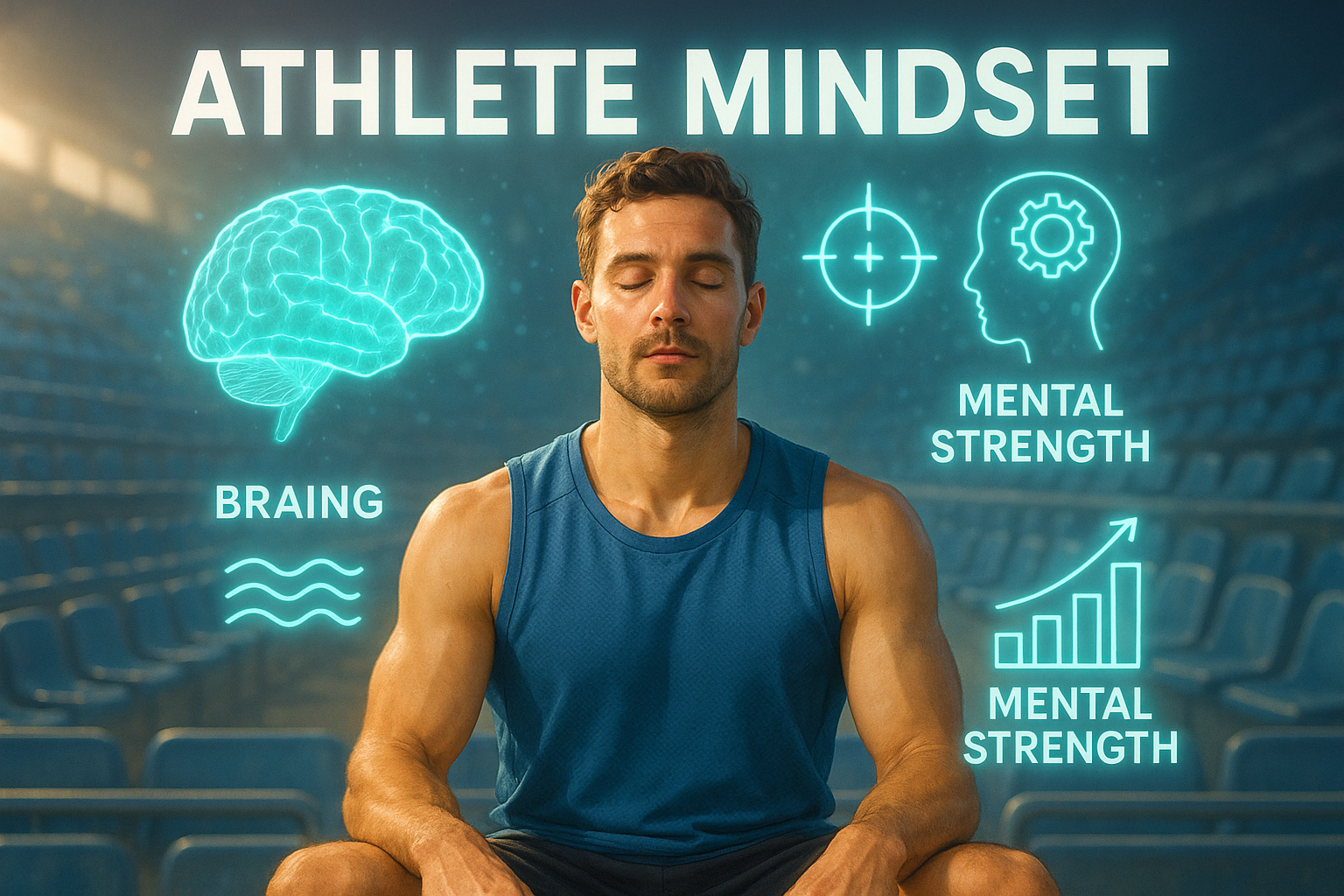
Athletes are not just physically strong — they are mentally powerful.
Behind every champion is a mindset built through discipline, consistency, and powerful mental techniques.
Whether in football, cricket, tennis, running, or any other sport, mental strength is often the difference between winning and losing.
This blog explains the key mental strength techniques athletes use and how you can apply them to your own life.
1. Visualization
Visualization is one of the most powerful mental techniques used by elite athletes.
How it works:
Athletes imagine:
- The perfect performance
- The winning moment
- Their movements and actions
- Overcoming challenges
This trains the brain to believe the achievement is possible before it happens.
Benefits:
- Builds confidence
- Reduces anxiety
- Improves performance consistency
2. Positive Self-Talk
What athletes say to themselves matters.
Positive self-talk rewires the brain to stay calm and confident.
Examples of athlete self-talk:
- “I can do this.”
- “Stay focused.”
- “One step at a time.”
- “I’m prepared.”
Benefits:
- Controls negative thoughts
- Boosts motivation
- Strengthens resilience
3. Mindfulness & Meditation
Modern athletes use meditation to control stress and sharpen focus.
Why athletes practice mindfulness:
- Reduces mental pressure
- Improves concentration
- Helps stay in the present moment
- Reduces overthinking during performance
Common methods:
- Deep breathing
- Guided meditation
- Body scanning
- Mindful stretching
4. Goal Setting
Athletes achieve success by setting clear, realistic goals.
Types of goals:
- Short-term goals: Weekly progress
- Long-term goals: Championships, records
- Process goals: Daily habits & routines
Benefits:
- Keeps athletes disciplined
- Tracks progress
- Boosts motivation
5. Building a Pre-Game Routine
Every top athlete has a pre-game ritual to mentally prepare.
A routine may include:
- Listening to music
- Deep breathing
- Light stretching
- Visualization
- Mental affirmations
Why it works:
- Reduces anxiety
- Creates consistency
- Puts the mind in “performance mode”
6. Stress Management Techniques
Pressure is part of sports.
Athletes use stress-control methods to handle tough moments.
Methods include:
- Controlled breathing
- Cold exposure therapy
- Grounding techniques
- Eye focus drills
Outcome:
Better decision-making under pressure.
7. Emotional Control
Athletes must control emotions like fear, anger, and frustration.
Techniques used:
- Mental resets
- Short breaks
- Thought replacement
- Emotional awareness training
This keeps their performance steady even in high-pressure situations.
8. Building Resilience
Resilience is the ability to bounce back from failure.
Athletes develop resilience by:
- Learning from mistakes
- Reviewing failures logically
- Accepting losses
- Focusing on improvement
Resilience makes athletes unstoppable.
9. Concentration Techniques
Focus is crucial in sports.
Athletes use strategies to maintain attention during matches.
Techniques:
- Blocking distractions
- Setting mini-goals
- Breathing focus
- Using trigger words (“focus”, “steady”)
Strong focus leads to better execution.
10. Working With Sports Psychologists
Today’s athletes regularly work with mental coaches or sports psychologists.
What psychologists help with:
- Overcoming fear of failure
- Handling pressure
- Improving confidence
- Mental recovery after injuries
This makes athletes mentally sharp and emotionally balanced.
11. Emotional Recovery After Injuries
Injuries don’t just affect the body — they affect the mind.
Athletes practice:
- Patience
- Acceptance
- Positive mindset
- Visualizing recovery
- Trusting the process
Mental recovery ensures faster physical recovery.
12. Staying Present During Competition
Thinking too much about past mistakes or future outcomes hurts performance.
Athletes stay present by:
- Breathing control
- Using focus cues
- Staying aware of the moment
This improves reaction time and decision-making.
13. Building a Growth Mindset
A growth mindset helps athletes believe they can always improve.
Growth mindset principles:
- Failure = learning
- Improvement is constant
- Effort matters
- Skills can be developed
This mindset leads to long-term success.
Conclusion
Athletes succeed not only because of physical strength, but because of powerful mental techniques that help them stay calm, confident, and focused.
Mental strength techniques like visualization, self-talk, mindfulness, stress management, emotional control, and resilience shape champions.
You don’t have to be an athlete to use these techniques.
Apply them in school, work, business, fitness — and watch your mental strength grow.
